Bridging the gap between
qualification and execution
Qualification alone does not guarantee operational readiness. When capability is confirmed too late, risk moves onto live assets.

Why training alone
is no longer enough
Training, certification, and qualifications remain essential – but they were designed for a different reality. They establish foundational knowledge and baseline competence, yet they were not built to assure deployment readiness in today’s safety-critical, high-pressure operating environments.
- Attendance does not confirm operational judgement
- Certification does not prove performance under pressure
- Experience alone does not guarantee consistency across assets
Creating competency
through readiness
GTCC addresses this gap by focusing on demonstrated capability. Readiness is confirmed through observed performance in live and simulated operating conditions, aligned to real roles, assets, and operating expectations.
GTCC is deliberately structured as a readiness and assurance platform, not an academic institution or consultancy. It exists to address specific institutional risks created when capability is confirmed too late in the deployment lifecycle.
The problem GTCC addresses - and the outcome it enables:
- Capability confirmed after deployment
- Deployment readiness validated before mobilisation
- Site-based discovery during commissioning & early operations
- Reduced early execution and safety risk
- Limited visibility of workforce capability at scale
- Auditable, role-linked assurance for institutions
- Fragmented workforce planning and localisation efforts
- Structured support for mobility, progression, & national workforce objectives
The GTCC campus
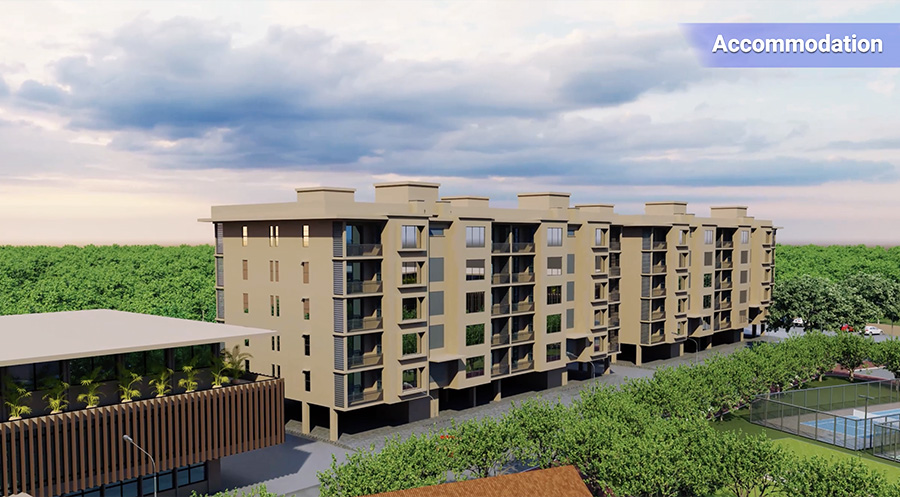
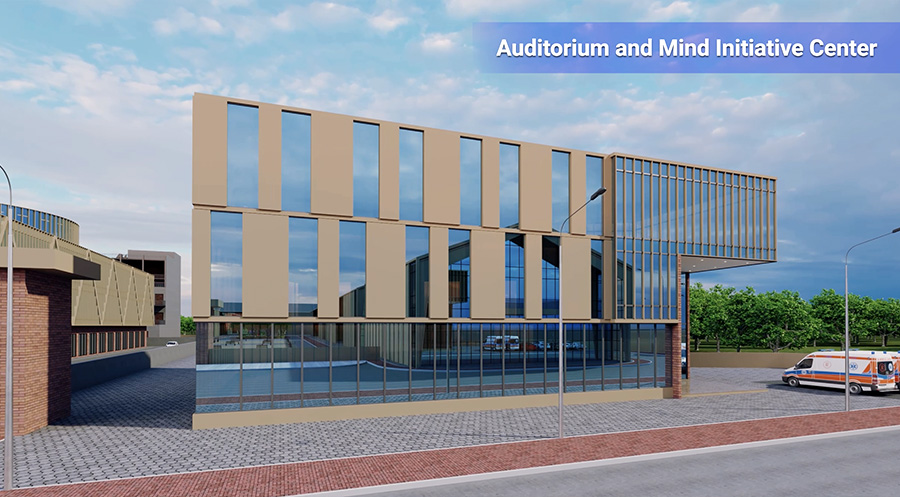
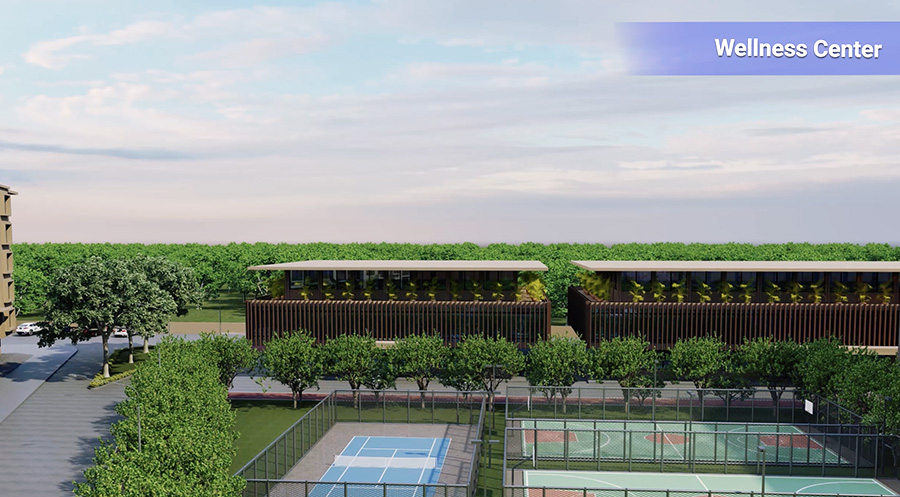
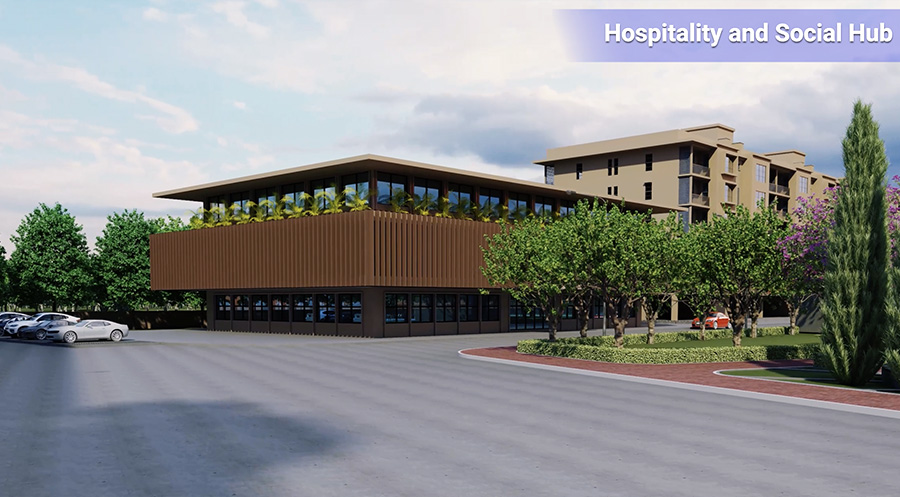
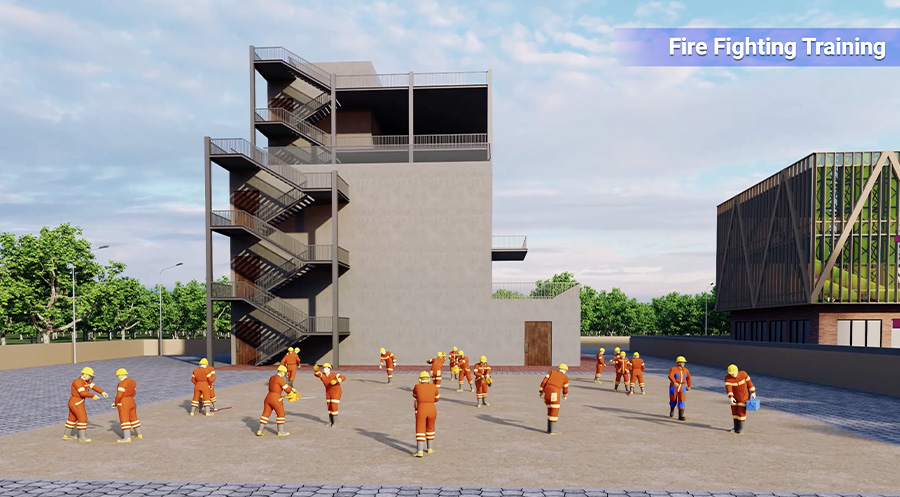
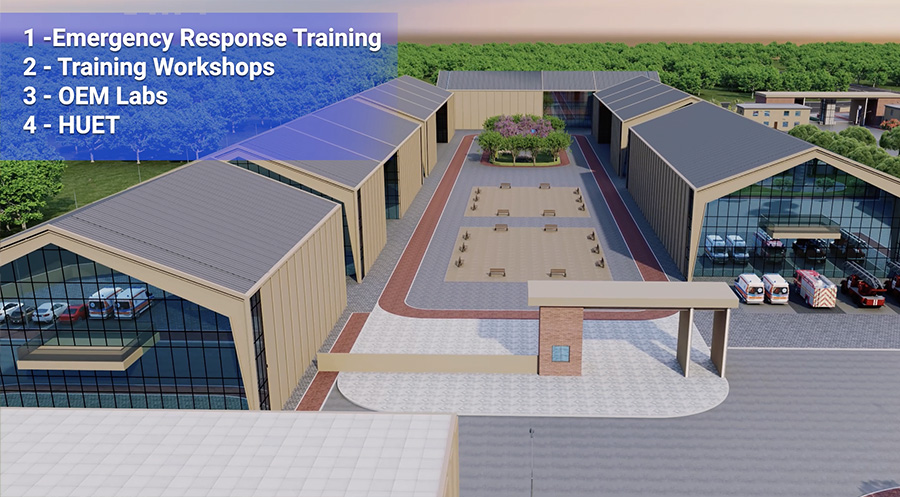
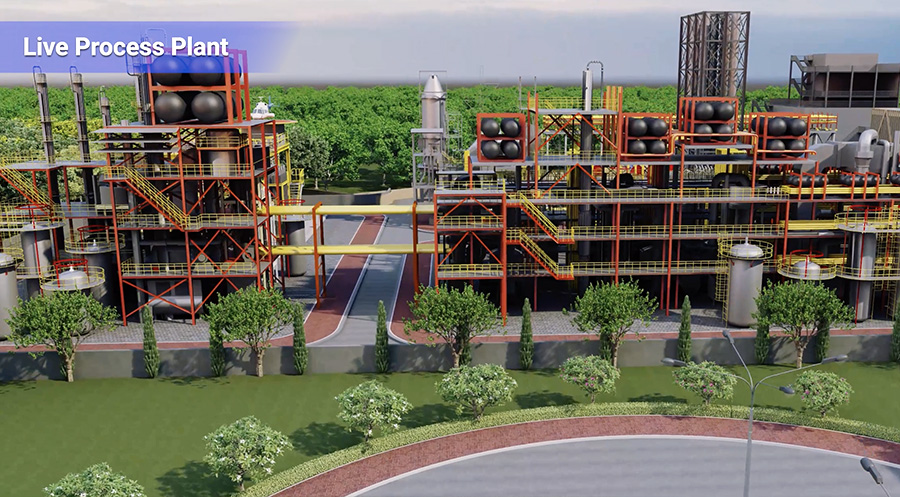
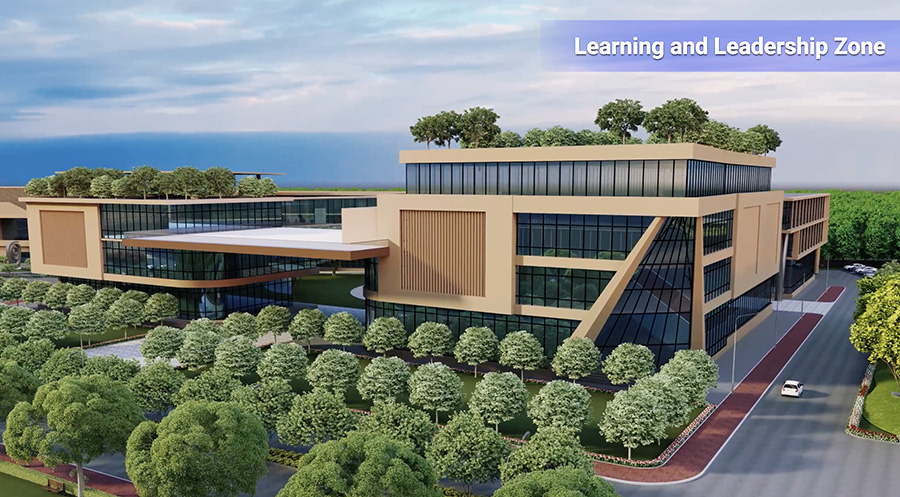
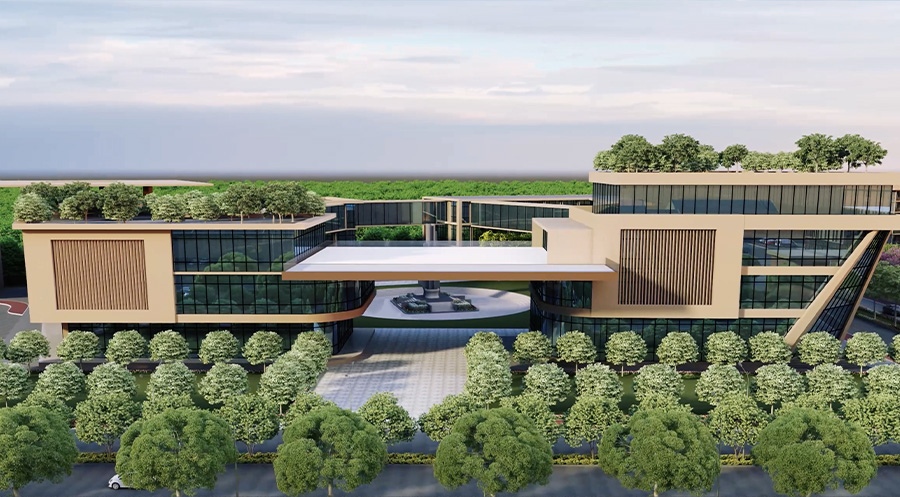
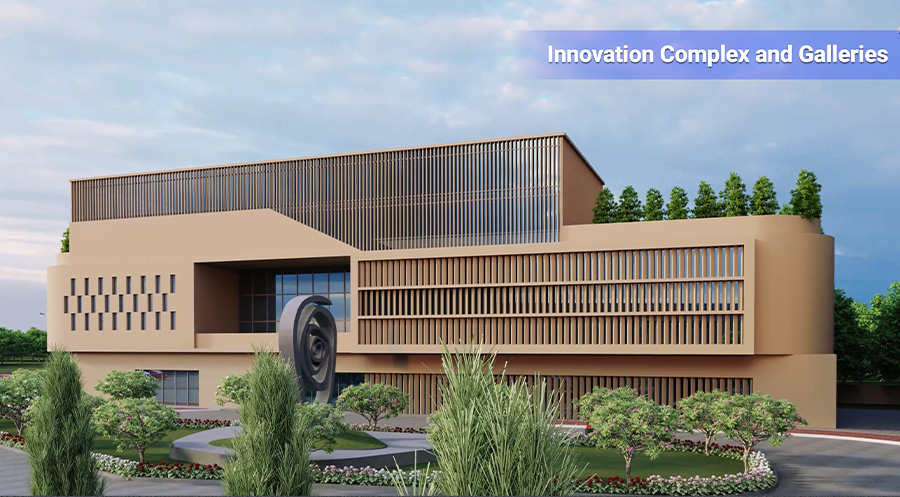
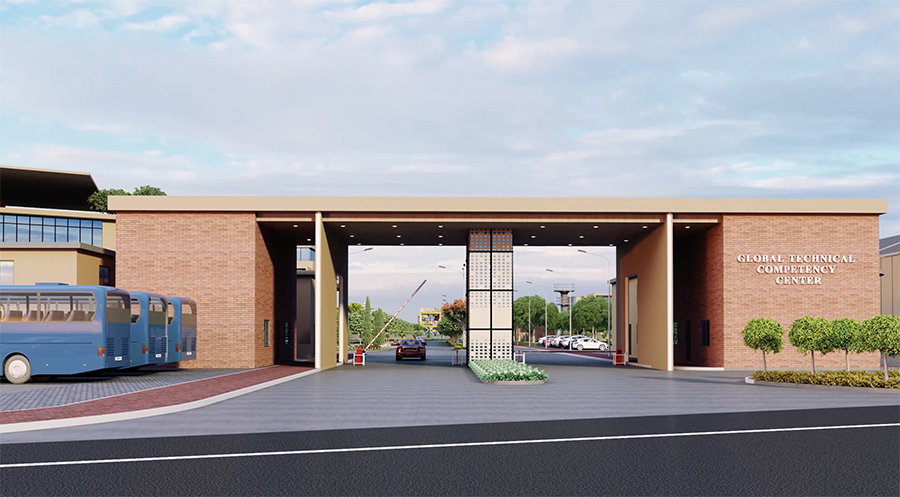
The GTCC campus is a purpose-built environment designed to prepare and validate technical capability for safety-critical operations before deployment.
Located within the MIHAN industrial zone in Maharashtra, the campus integrates live operating systems, Digital Twin, simulation, Augmented Reality (AR), Virtual Reality (VR), assessment environments, and residential infrastructure into a single, controlled setting.
The campus is designed to support technical execution, operating discipline, behavioural readiness, and sustained field performance – as they occur in real industrial environments.
Live and simulated
operating environments
At the core of the campus are live process and high-fidelity simulated environments that replicate industrial operations across energy and process sectors.
These environments allow personnel to:
- Operate real process systems under controlled conditions
- Experience normal and abnormal situations, emergency scenarios
- Apply procedures, permits, and controls under operating pressure
- Execute field and control-room roles as part of integrated teams
Technical execution, judgement, communication, and discipline are observed – reflecting how work is actually performed on live assets.
Safety, emergency, and
critical response capability
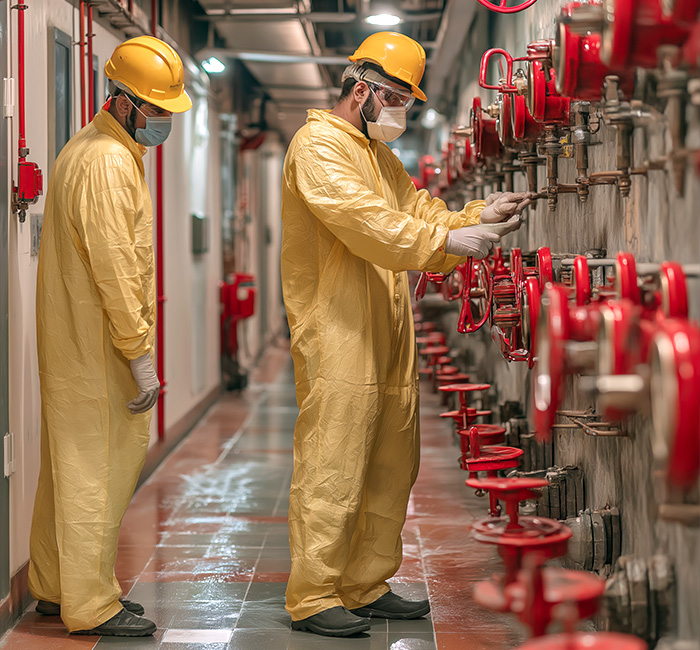
Dedicated environments support preparation for high-risk and safety-critical conditions.
These include facilities for fire response, emergency handling, survival and evacuation training, OEM and specialist systems, and role-specific safety readiness.
Scenarios are designed to reflect real operational challenges, enabling personnel to demonstrate capability, response, and control under stress.
Leadership, decision-making,
and operating behaviour
The campus includes spaces focused on decision-making, coordination, and leadership under operational conditions.
Digital classrooms, simulation-supported learning environments, and facilitated scenarios strengthen situational awareness, communication, and team execution – particularly during start-up, abnormal operations, and handover conditions.
This supports the behavioural and organisational dimensions of readiness, alongside technical capability.
Integrated living and work
infrastructure
Residential, recreational, and recovery facilities are integrated into the campus to reflect the rhythm of live operational assignments.
Accommodation, dining, fitness, and wellbeing spaces support physical and mental resilience during extended training, assessment, and readiness cycles. This allows work readiness to be developed and observed over sustained periods, not isolated sessions.
Sustainable and future-ready
systems
The campus infrastructure is supported by integrated utility and sustainability systems, including energy efficiency, water management, and smart building controls. These systems reflect modern asset expectations and support responsible, long-term operation.
Built for institutional and
multi-country alignment
GTCC is anchored in India, near major industrial corridors, enabling scale, consistency, and access to deep technical talent – while remaining globally deployable.
The platform aligns with national workforce priorities, supports localisation initiatives, and references recognised institutions and standards (including TAFE WA South Metropolitan, ITE Singapore, and OPITO where applicable), without being bound to a single jurisdiction.
This allows operators, workforce authorities, and partners to engage with GTCC as a neutral, industry-aligned capability layer that strengthens – rather than replaces – existing systems.
Earlier validation, lower exposure
By confirming capability prior to deployment, organisations reduce ramp-up time, limit site-based reconditioning, and lower indirect costs linked to delayed performance and supervision load. This improves Lifecycle Earning Value (LCEV) and supports stronger Life Cycle Cost Management (LCCM) & Life Cycle Asset Management (LCAM) by aligning workforce capability with asset performance expectations earlier in the lifecycle.